How the tobacco industry rose from the ashes
“We’ve changed. We’re now part of the solution.”
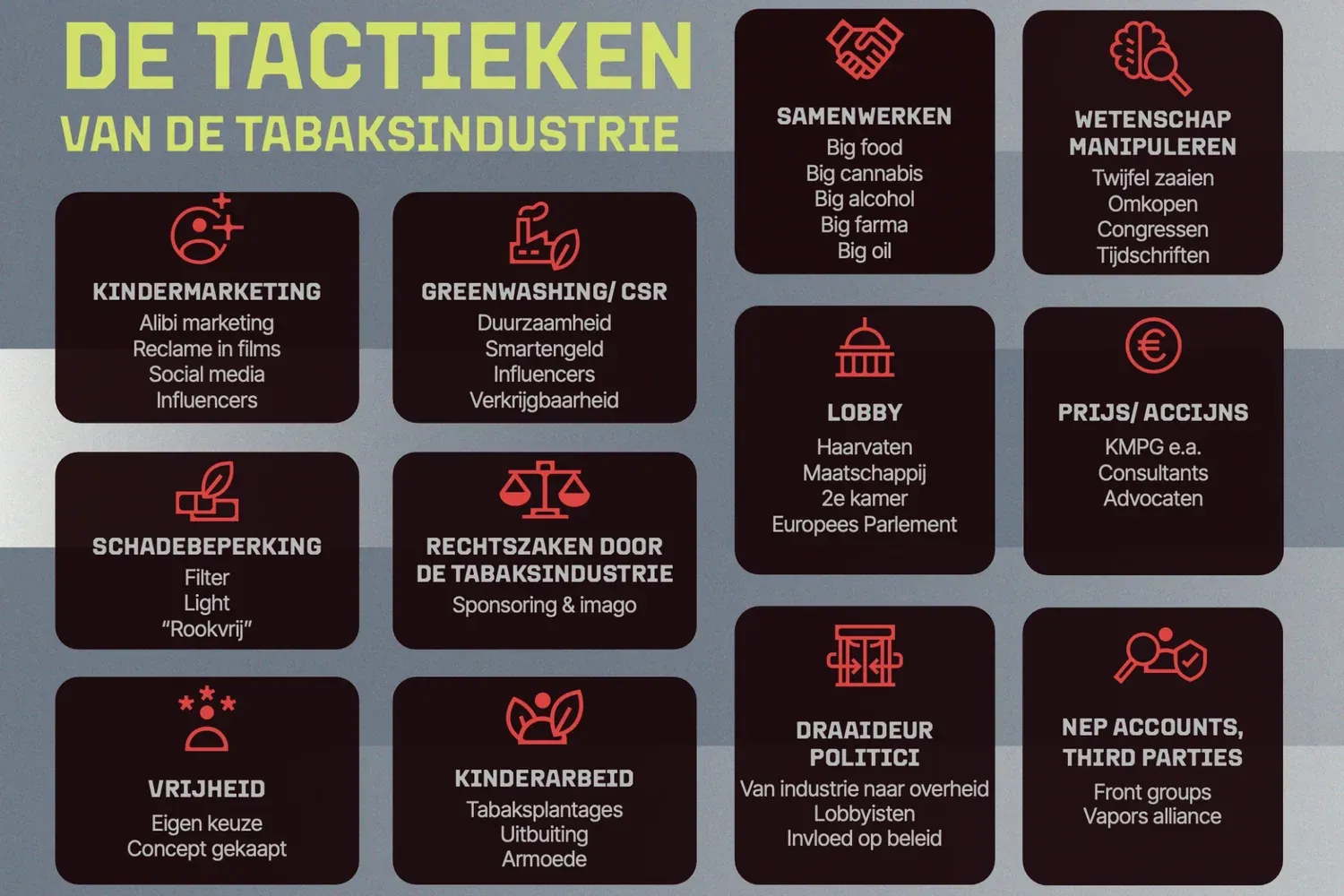
After the Master Settlement Agreement in 1998, the tobacco industry appeared to have been publicly bought off. But behind the scenes, the industry was already undergoing a transformation. It did not die out, but adapted. It understood that survival did not require resistance, but transformation. Thus, tobacco companies stopped defending smoking and began speaking the language of harm reduction, personal freedom of choice, and innovation. They acknowledged the risks of smoking and then offered alternatives. This change in course was strategic, not moral. By admitting its past mistakes, the industry gained credibility in the present.
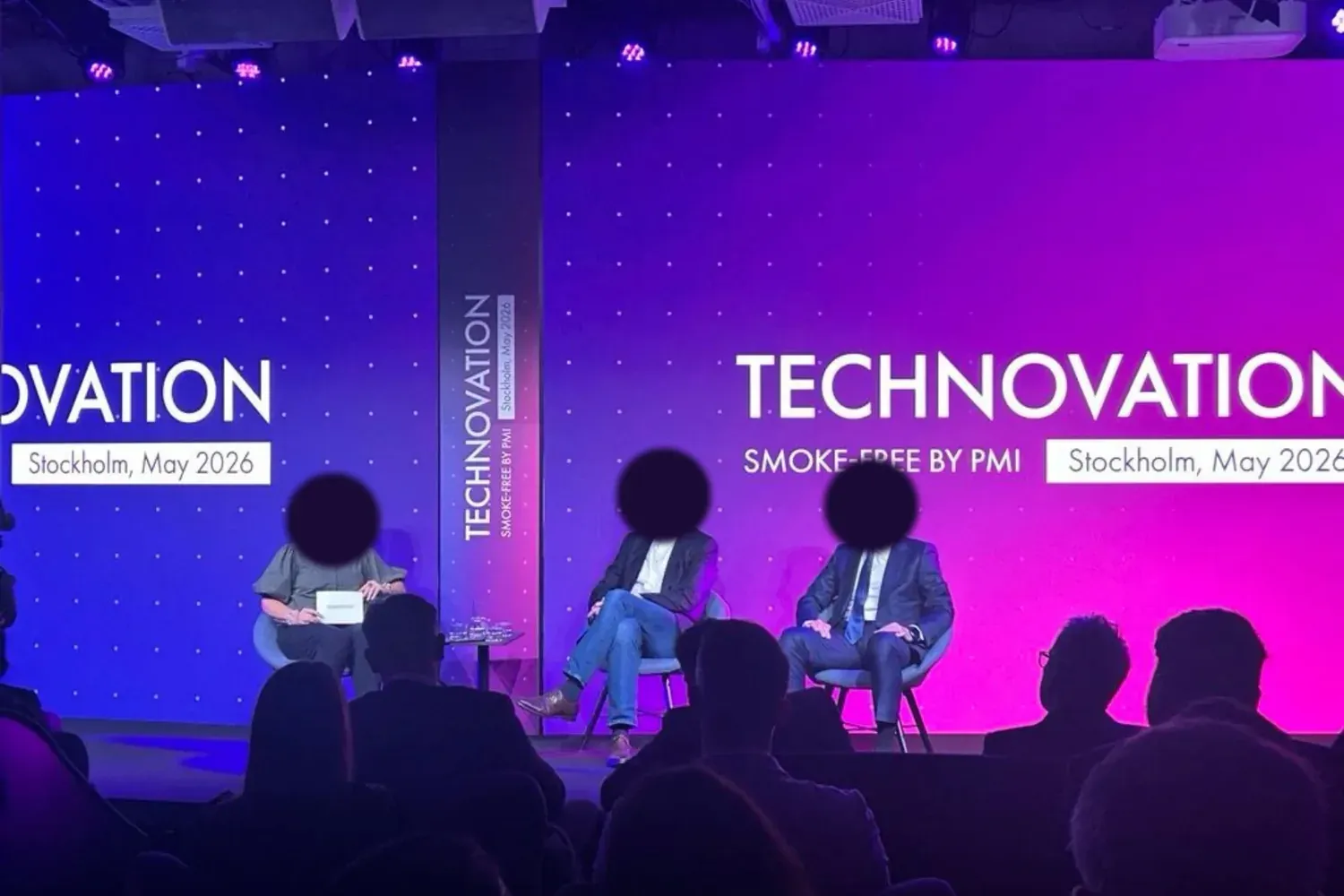
Philip Morris began presenting itself as a “science-based health and wellness company” and invested billions in the research and development of smoke-free products (Philip Morris International, 2021). The language of public health was co-opted, and innovation was wielded as a weapon. The same companies that were once accused of deliberately creating and perpetuating addiction now claim they are working to solve it. Yet the core objective remained unchanged: nicotine, repackaged time and again, redesigned, and sold under a new name. The change was not ethical.